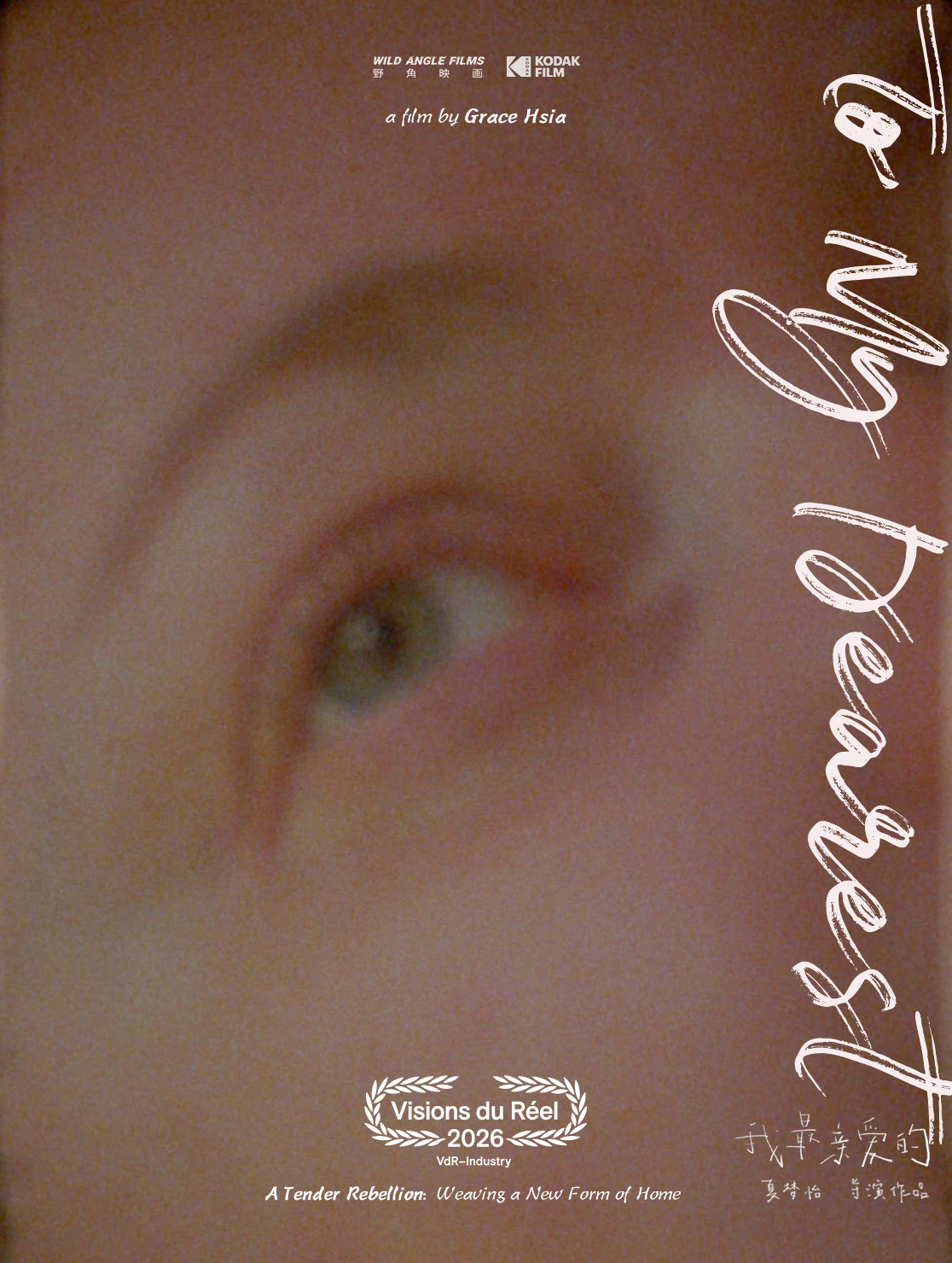
To My Dearest
我最亲爱的
(In Production)
Genre : hybrid documentary
Expected Runtime : 90′
Format : 16mm&8mm&4k digital
Language : English, Chinese
Director : Grace Hsia
Producer : Grace Hsia,LIU Wenli
Production country : China,U.S.A.
Production Company : Wild Angle Films
Shooting location :China,U.S.A.
Production Progress : 30% footage shot
Logline
A Chinese filmmaker and an American single mother reunite after years apart in a low income community in Georgia, USA, where long-held secrets lead them to navigate love, motherhood and autonomy. Their reunion across poverty and cultural divides turns into a radical question: What does it mean to build a life on your own terms?
Director’s Note
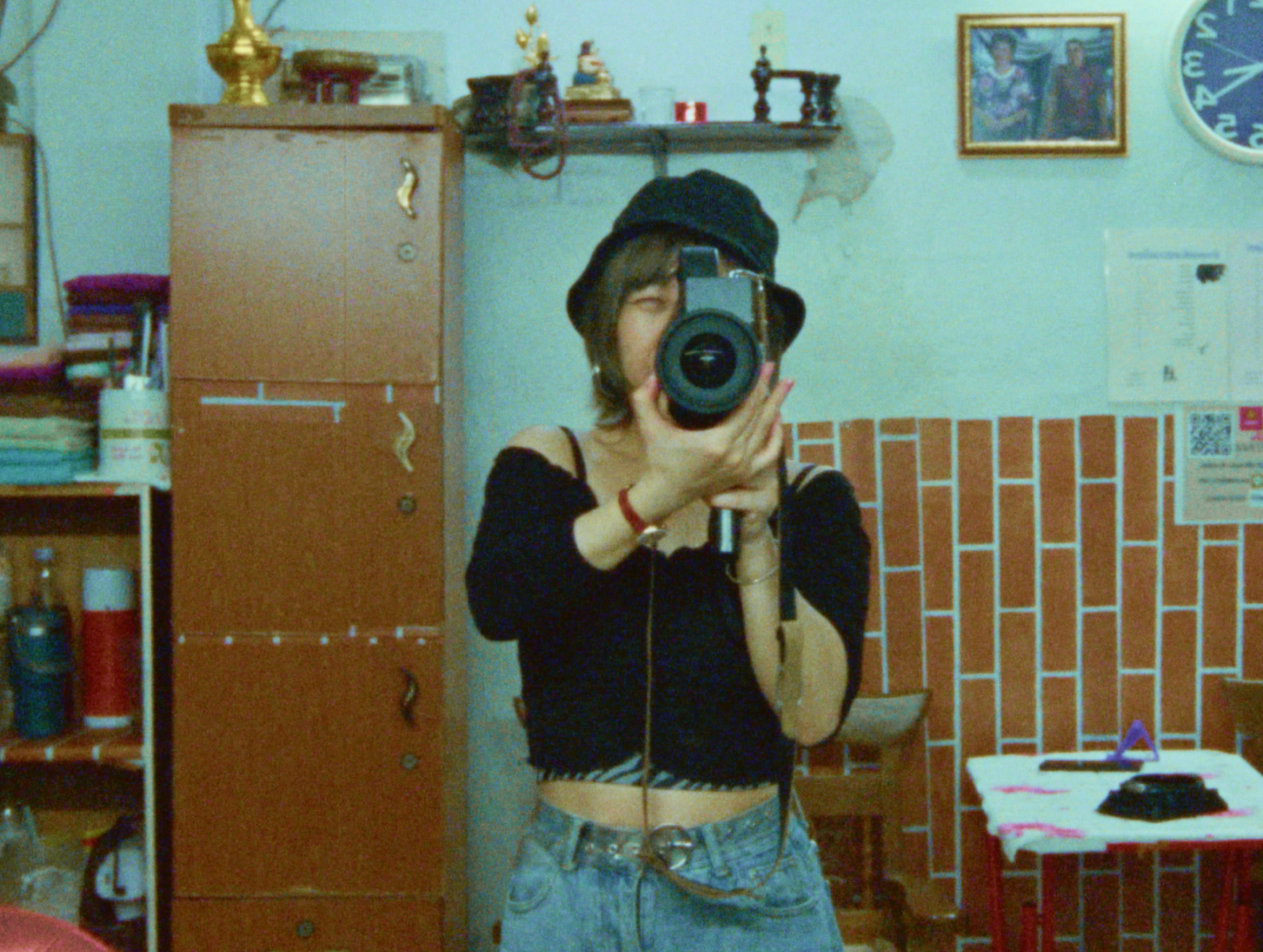
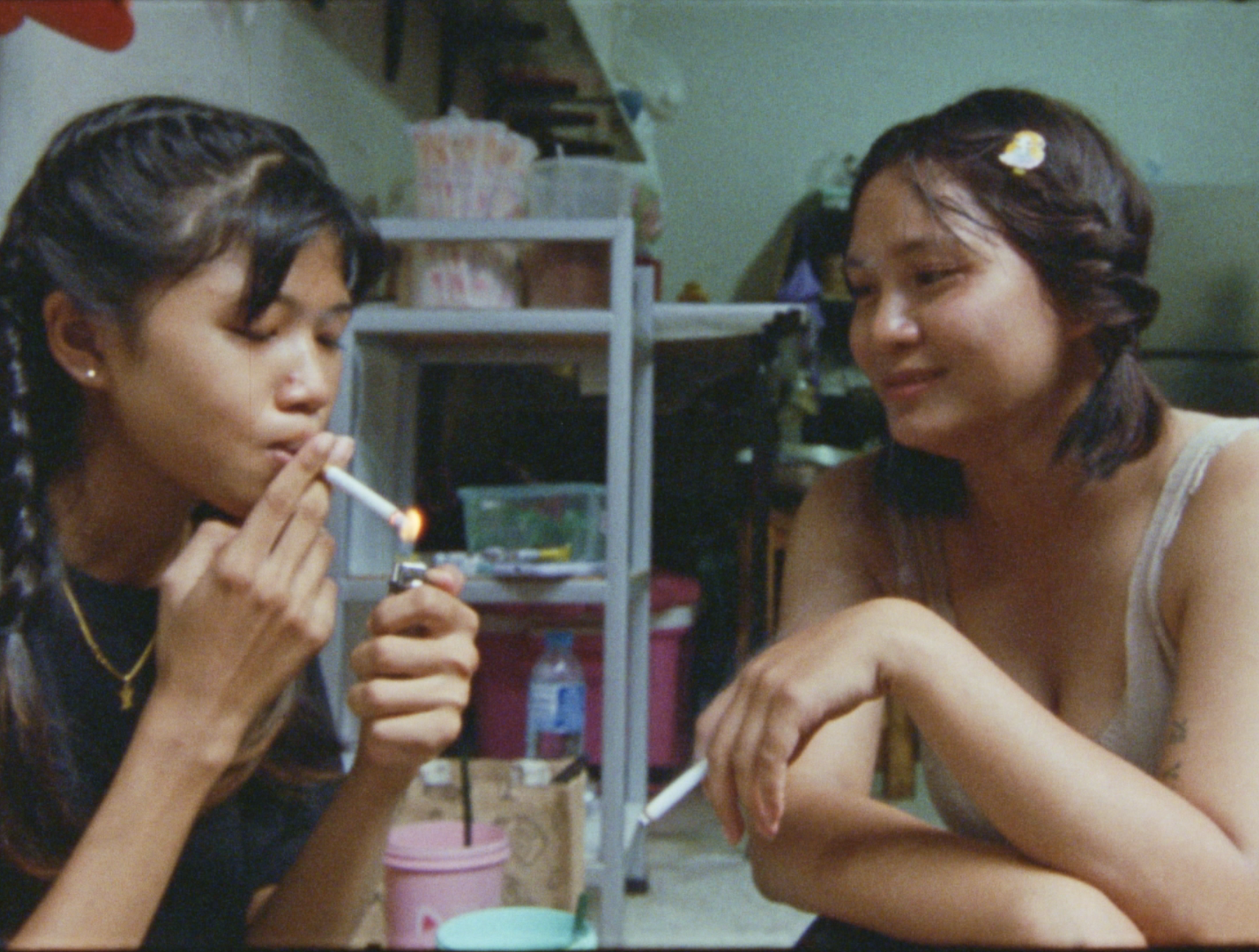
To My Dearest is a hybrid documentary and personal diary that traces the decade-long friendship between Shekinah and me. Seven years after we first met in the U.S., I returned, and realised this was not just a reunion, but the beginning of a lived experiment.
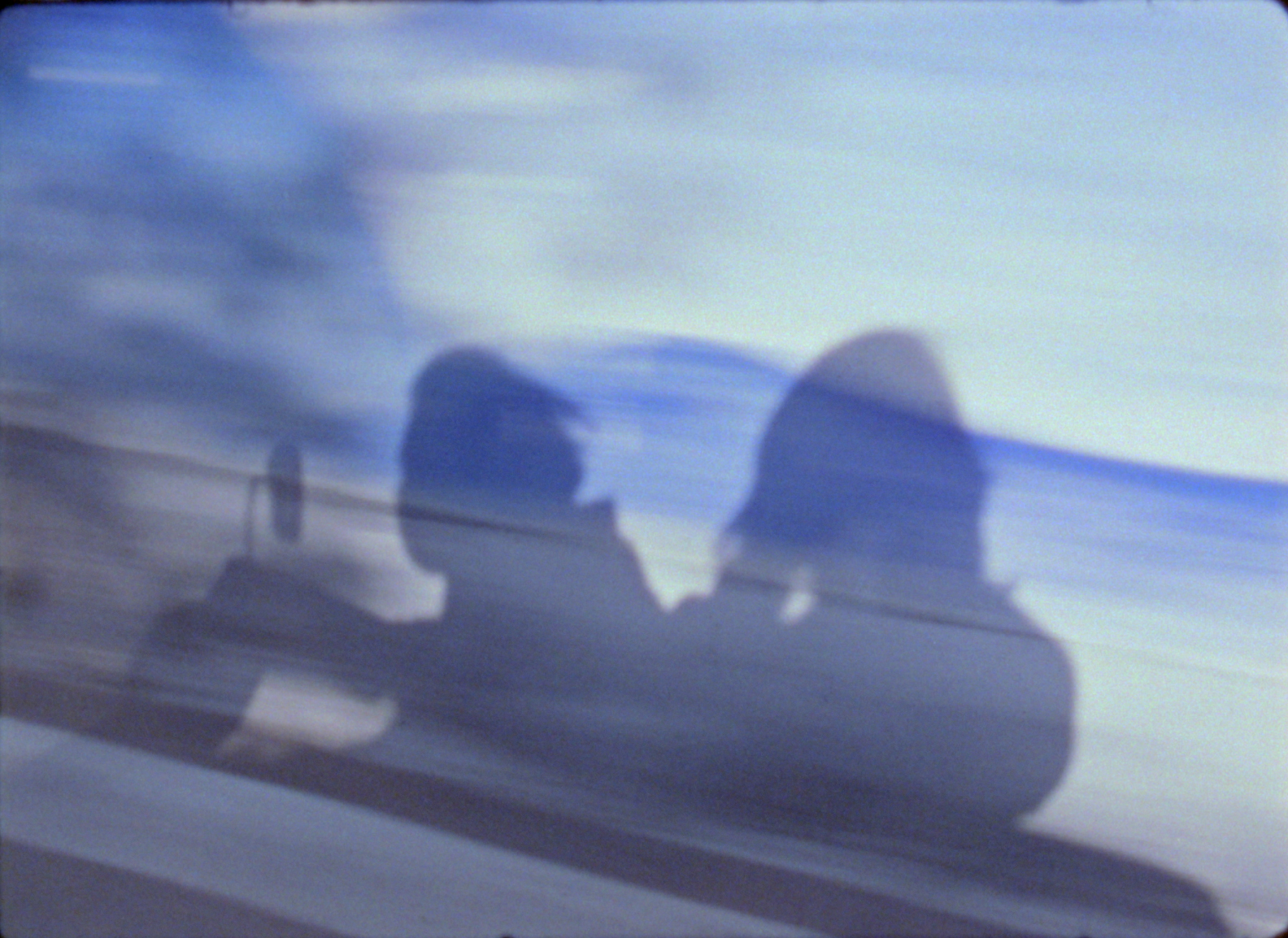
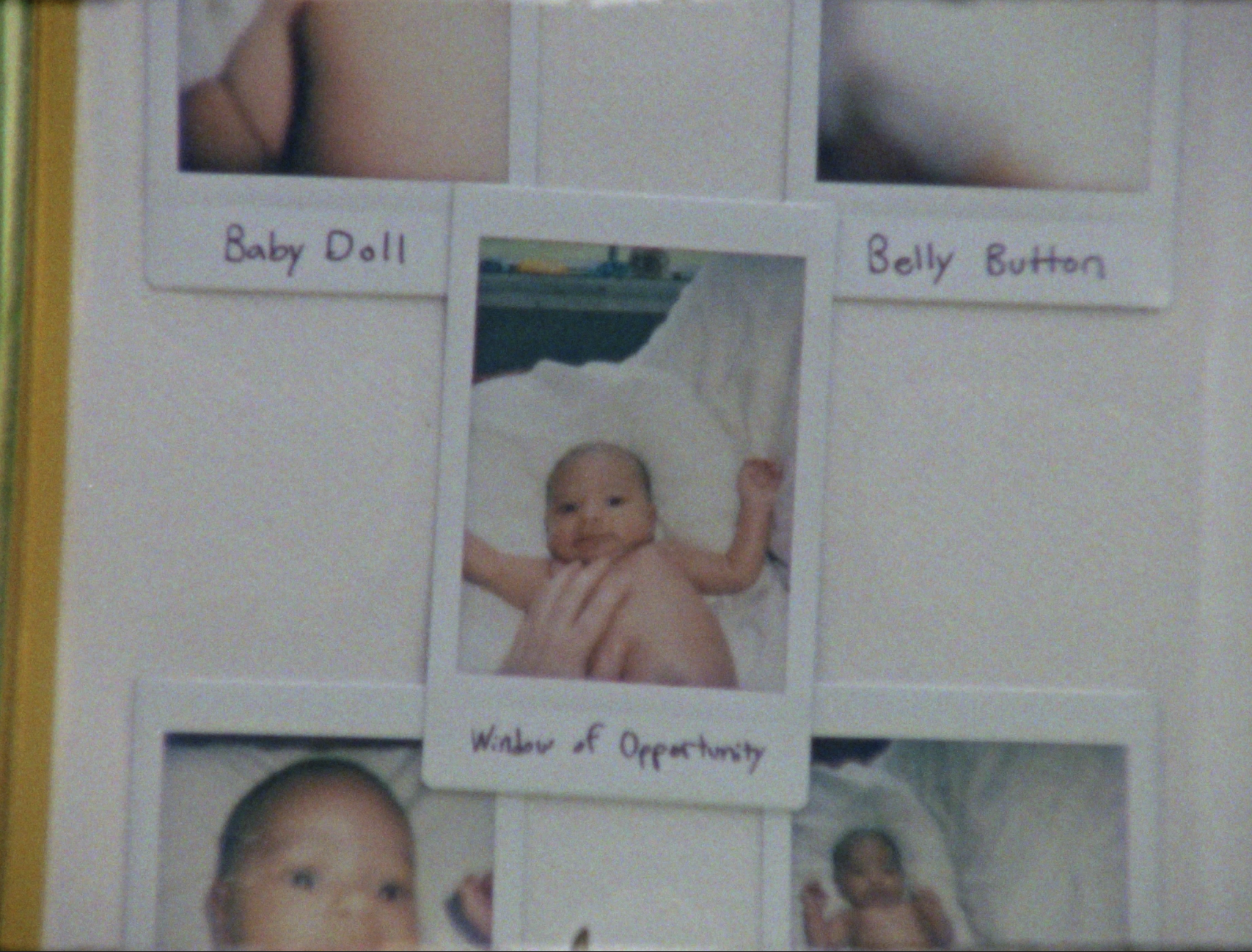
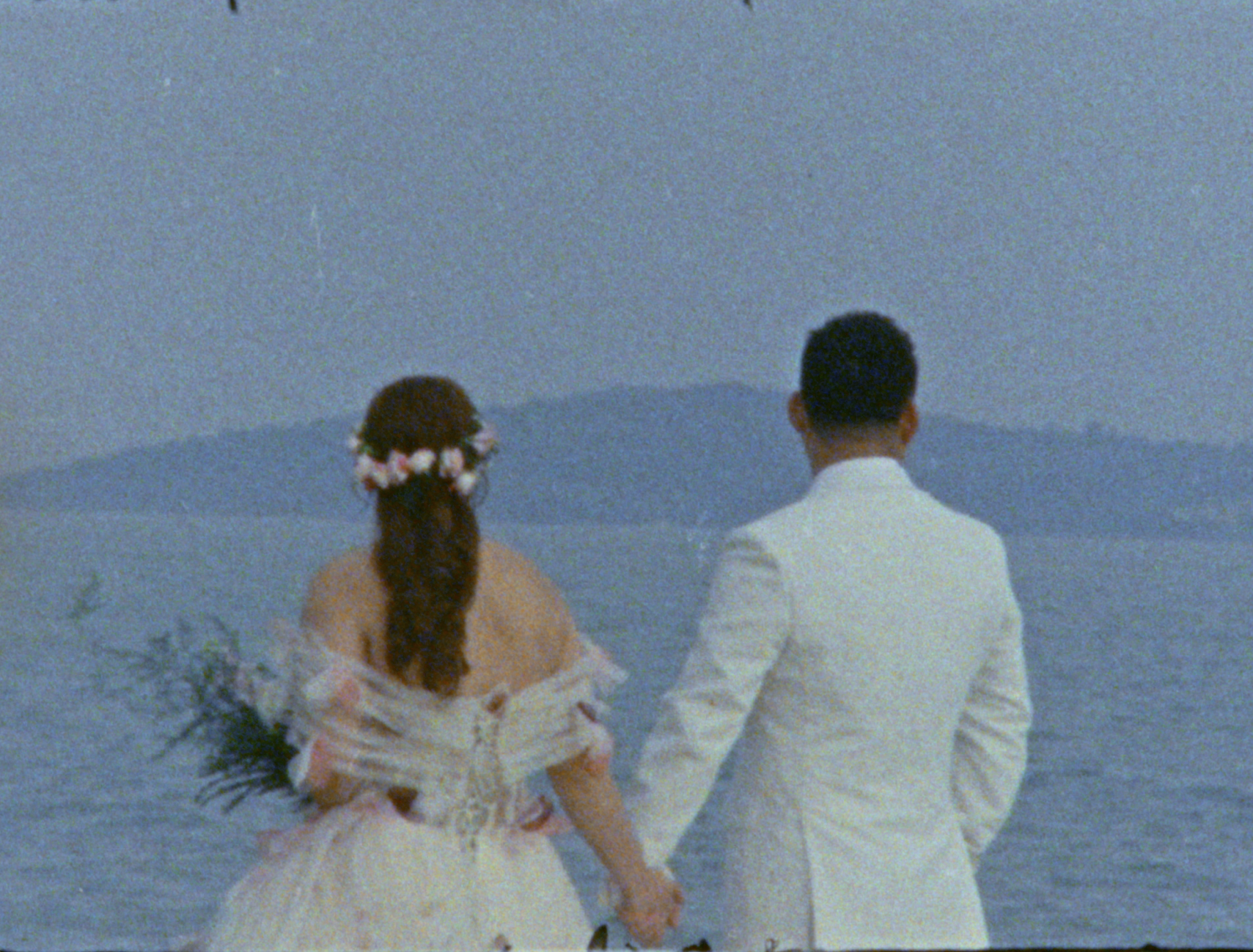
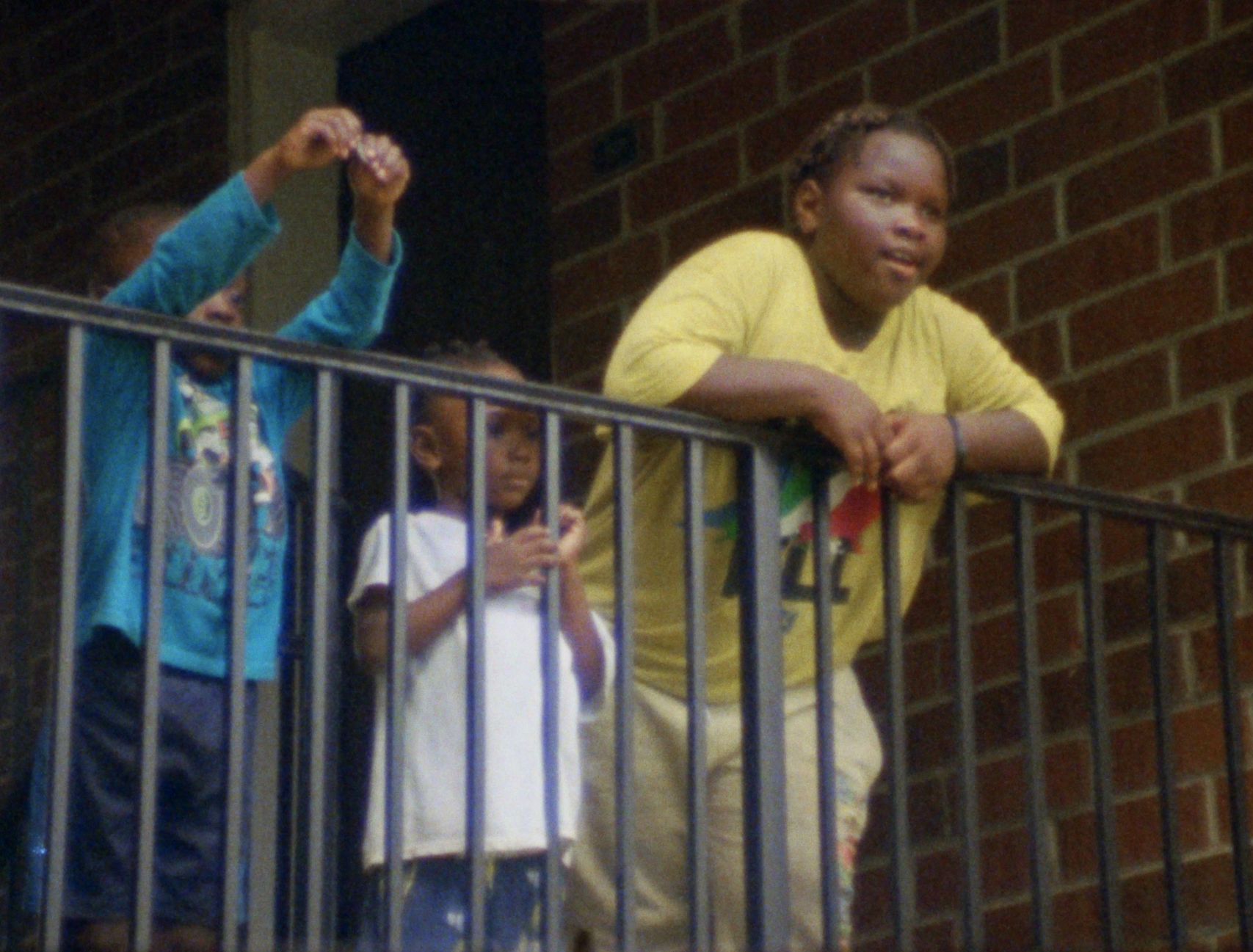
The film moves between two timelines, woven together like memory and presence. For the present – the daily textures of life in Georgia, the small moments of care and tension between Shekinah, Ziah, and me – I shoot in digital vérité. The camera lives with us, does not interrupt us, and catches the way we fold into each other’s lives: our conversations, laughter, trips, the silence when we don’t know what to say, and the laughter that comes when we least expect it. For the past – the memories Shekinah carries, the stories she tells, the emotional weight she brings into each room – I shoot on 8mm and 16mm film. I chose film because it has a body. It breathes. It scratches. It burns when exposed to too much light. This is how memory feels to me: not clean, not linear, but textured, fragile, and alive. When Shekinah speaks of the miscarriage that nearly broke her, or of crossing oceans between the United States and China, we see it in the grain of film – as if memory itself is a material we can hold.
Between these two chapters, I place small moments of experimental animation, drawn by hand from our photographs, from the light in Georgia, from the shapes our bodies make when we are together. These animations are the space between us: the unsayable, the felt, the dreamed.This is not a film that explains. It is a film that invites you to sit on the porch with us. I believe the story of To My Dearest speaks to a global conversation. Across Europe, North America, and Asia, women are asking the same questions Shekinah and I are asking ourselves: How do we redefine family when the old scripts no longer fit? How do we claim our bodies and our choices in a world that wants to decide for us? How do we build belonging from the ground up?
To My Dearest is my cinematic letter to Shekinah, and to every woman who has ever asked these questions in the quiet of the night. It is not an answer. It is an offering: a blueprint for kinship in a fractured world.